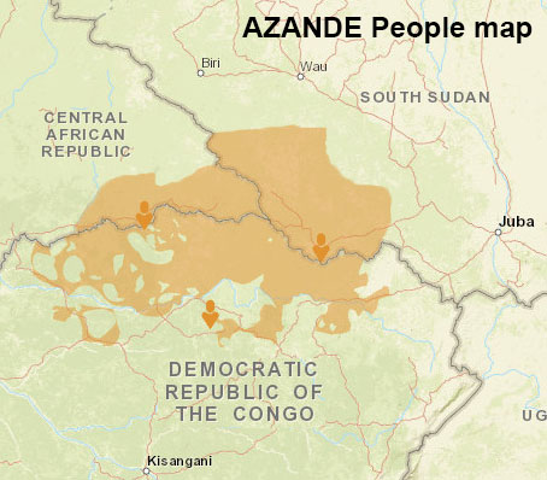
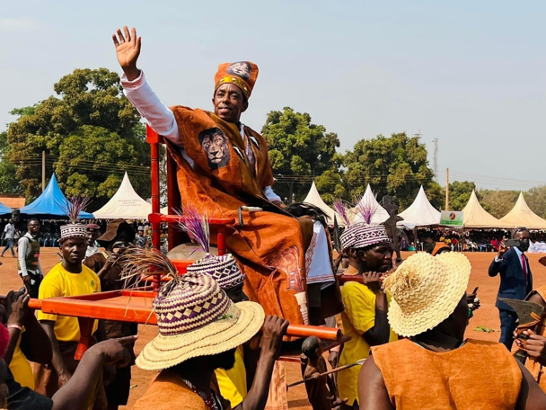
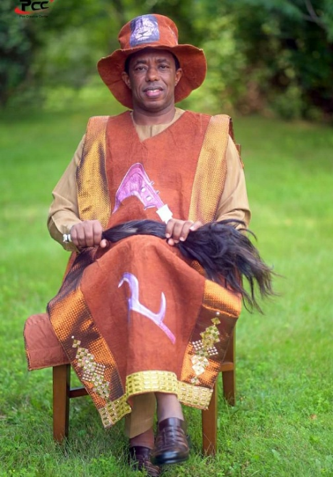
The Azande Kingdom is one of the oldest Kingdoms in Africa. It was divided and destroyed by the colonial powers ending with the killing of King Gbudue in 1905. After more than a century, the Azande Kingdom has been finally restored to enhance, preserve and promote the Azande culture, heritage and traditions. In February 2022, the Azande Kingdom (Kindo nga ga Azande) was restored with the coronation of His Majesty King (Bakindo) Atoroba Peni Rikito Gbudue.
In February 2022, the Azande Kingdom was re‑established after 117 years, following the death of King Gbudue at the hands of colonial forces in 1905. The Azande Kingdom, one of Africa’s oldest traditional institutions, had collapsed after the death of King Gbudue. More than a century later, the revival aims to strengthen, protect, and celebrate Azande culture, traditions, and heritage. The restored Kingdom also seeks to bring the Azande people together and promote peaceful coexistence with neighboring communities across Western Equatoria State and the wider South Sudan region.
Each of these Paramount Chiefs are assisted by their Chiefs (Agbia), Sub-chiefs (Abairambia) and Headmen (Abairagbaria) in their countries (aringara).
Azande nakusa mara tipa dungu ahee.
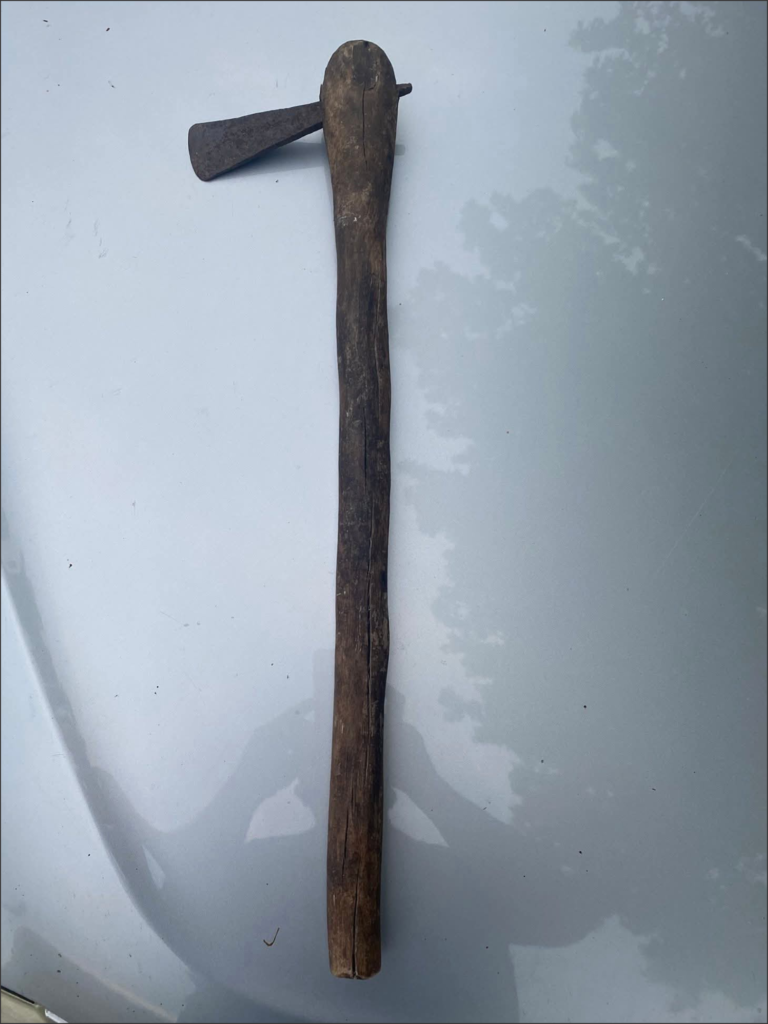
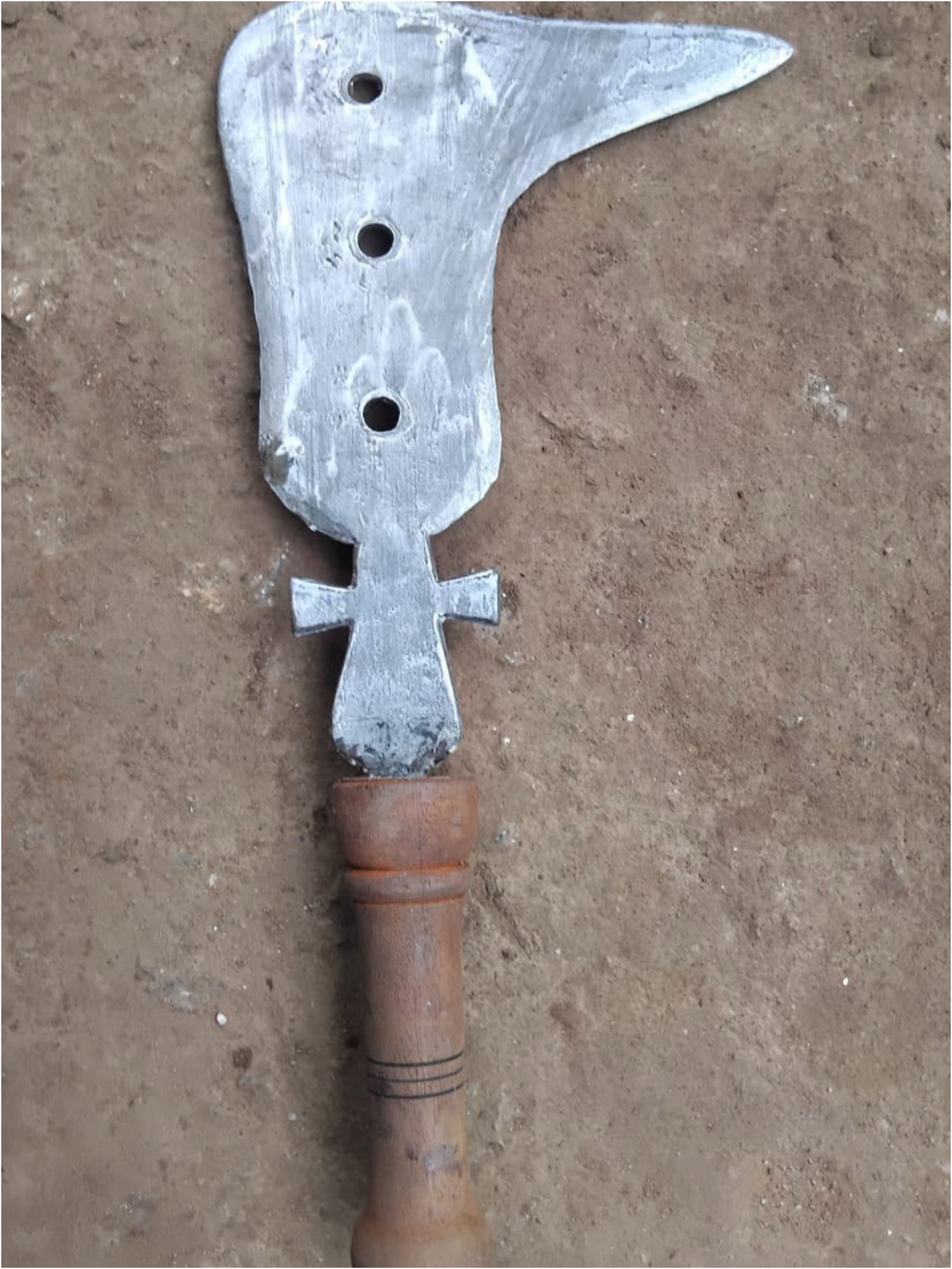
Pangu (Blacksmith) holds a legendary and vital place in the history, warfare, and economy of the Azande. Apangu were master craftsmen who transformed iron ore into highly functional tools, deadly weaponry, and economic currency. Anthropological documentation by figures like E.E. Evans-Pritchard shows that while original Azande smiths historically smelted raw iron ore directly, the grueling practice of smelting local ore largely faded by the mid-1920s.
This shift occurred as imported trade iron became widely accessible, allowing blacksmiths to shift their focus entirely to forging and metalworking. Azande blacksmiths are world-renowned for their distinct metalwork, which uniquely blended practical utility with artistic geometry
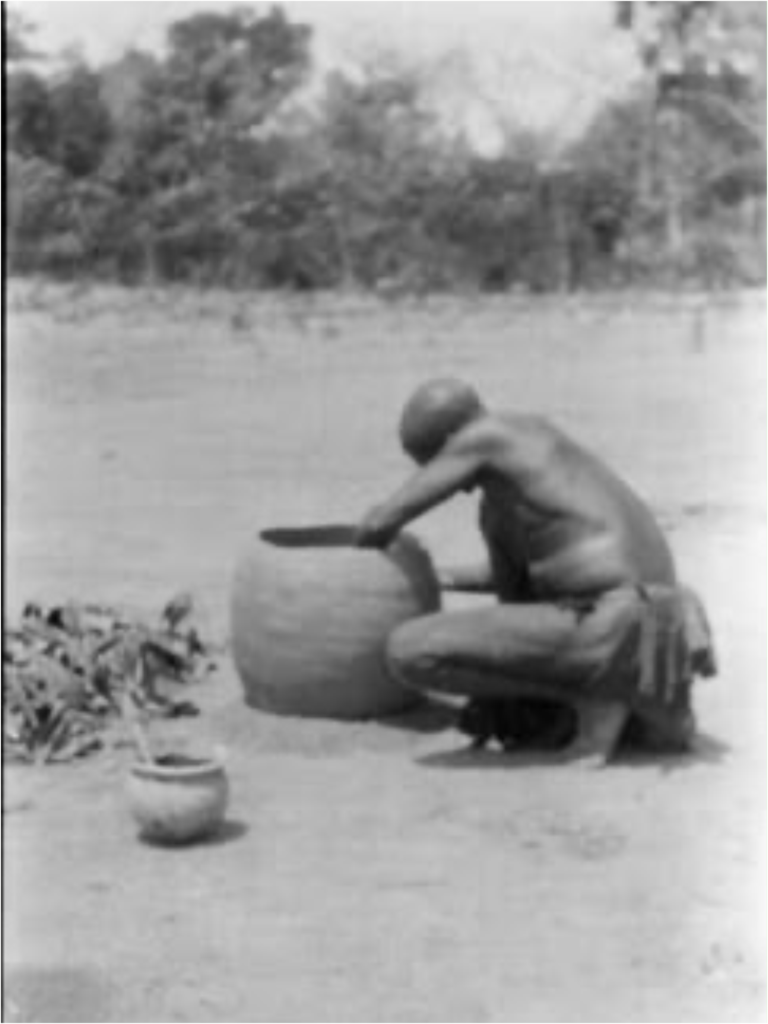
Pottery making is a traditional craft historically practiced
Molding: Potters shape vessels by building up strips of clay on a base supported by a ring of earth or a large leaf.
Smoothing: The interior and exterior surfaces are scraped and smoothed by hand using simple tools before drying.
Firing: Vessels are dried and baked in open fires built with specific types of wood.
Finishing & Blackening: While red-hot from the fire, pots are splashed with water infused with ndiri (a certain tree whose bark is used for blackening clay pots).
Me Pere - Pottery-making